

The fusion of disparate flavors is a culinary adventure.
Whether you’re partial to salt and pepper chicken, dipping fries in milkshakes, or the classic peanut butter and jelly on toast, culinary experimentation is always in vogue.
Looking ahead to the summer of 2026, a novel combination is poised to capture taste buds: the blend of refreshing fruit with a spicy kick—dubbed “fricy.” Heralded by some food websites as the next significant trend, BBC Bitesize’s Other Side of the Story delves into the social media buzz surrounding this emerging flavor profile.
The term ‘fricy’ is already gaining traction, with food websites showcasing recipes that artfully combine rhubarb with chilies, pineapple with jalapeño peppers, and even steak with a spicy strawberry complement.
This convergence of fruit and spice delivers a sweet sensation harmonized with the piquancy of chili. While seemingly novel, this blending of sweet and spicy elements has been a staple in traditional cuisines across Vietnam, Mexico, Thailand, and Sri Lanka for centuries.
The appeal of fricy dishes extends beyond mere taste, underpinned by scientific principles. Food scientist Brittany Towers explained to Business Insider that the sugars present in fruit can effectively temper the intensity of heat from spices like chili, rendering it more palatable for those unaccustomed to spicy fare.
Although the hashtag #fricy has yet to achieve viral ubiquity, TikTok and Instagram are replete with examples of individuals sampling and discussing fruity-spicy concoctions.
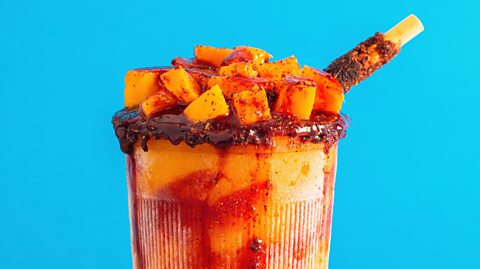
One notable example is mangonada, a Mexican beverage featuring mango and chili, which has garnered over 47,000 TikTok posts from enthusiasts eager to experience the ‘fricy’ sensation firsthand.
Spicy fruit bowls are also emblematic of the fricy trend. A popular street food in countries like Vietnam and Mexico, it’s a simple combo of fruit such as pineapple and mango covered in spices like chilli.
When culinary trends gain momentum on social media, they often evoke a strong emotional response. Food’s inherent appeal stems from its universal necessity, and with over a billion food-related posts on TikTok alone, social media wields considerable influence over consumers’ choices. Compelling headlines, often referred to as clickbait, can generate substantial engagement by making bold claims that pique curiosity and prompt clicks, such as ‘You just HAVE to try this fricy dish!’
This phenomenon explains the prevalence of ube on social media in 2026, following its introduction by coffee shop chains. Its vibrant purple hue offered visual appeal, enticing consumers to explore its flavor profile.
The same principle applies to the fricy mangonada, with its captivating blend of yellows, oranges, reds, and browns. Increased exposure to these images cultivates curiosity. In the case of fricy cuisine, the allure extends beyond individual dishes, encompassing entire menus waiting to be explored.
Endorsement from an influencer with a significant following could expedite the viral spread of fricy food. Furthermore, companies poised to benefit from the trend may collaborate with influencers to promote fricy dishes on their social media platforms. As the trend solidifies, it integrates into everyday life (for as long as the trend lasts), potentially encouraging wider adoption of fricy snacks.
If food-related content is a frequent focus of your social media activity, it’s probable that an algorithm has already suggested posts about fricy food. Conversely, if your interests lie elsewhere, fricy may remain confined to your foodie echo chamber—for now.
Explore more about food trends in this Other Side of the Story collection.
This article was published in May 2026
Unsure about the veracity of news encountered on social media? Can you always discern between authentic and fabricated content online? Discover how to obtain the complete picture with our quizzes, videos, and explainers.
The monthly AI or Real quiz: May 2026
What is the Japanese cheesecake yoghurt trend?
Two ingredients that have taken over TikTok
Back to our homepage