

“`html
A closely watched social media addiction trial is set to begin Tuesday in California, featuring expected testimony from leading tech executives.
The plaintiff, identified as 19-year-old KGM, alleges that the design of the platforms’ algorithms fostered addiction and negatively impacted her mental well-being.
Defendants in the case include Meta, the parent company of Instagram and Facebook, alongside TikTok’s owner ByteDance, and YouTube parent Google. Last week, Snapchat reached a settlement with the plaintiff.
The trial, held at Los Angeles Superior Court, marks the first in a series of similar lawsuits that could challenge the legal framework tech companies have utilized to shield themselves from liability in the United States.
The social media companies in question argue that the plaintiff’s evidence does not adequately demonstrate their responsibility for alleged harms, such as depression and eating disorders.
The trial signifies a notable shift in the U.S. legal system’s approach to tech firms, which are facing increasing accusations that their products lead to addictive behaviors.
For years, these companies have cited Section 230 of the Communications Decency Act, enacted by Congress in 1996, which generally protects platforms from liability for content posted by third parties.
However, this case centers on design choices pertaining to algorithms, notifications, and other features that influence how individuals use the apps.
KGM’s attorney, Matthew Bergman, told the BBC that this case represents the first time a social media company will be held accountable by a jury at trial.
“Unfortunately, there are all too many kids in the United States, the UK, and around the world who are suffering as KGM does because of the dangerous and addictive algorithms that the social media platforms foist on unsuspecting kids,” he stated.
“These companies are going to have to explain to a jury why their profits were more important than the lives of our young people.”
Eric Goldman, a law professor at Santa Clara University, told the BBC that unfavorable rulings in these cases could pose a significant threat to the future of social media companies.
However, he noted that plaintiffs may face challenges in proving that physical harm can be attributed to content publishers.
“The fact that the plaintiffs have been able to sell that idea has opened the door to a whole bunch of new legal questions that the law wasn’t really designed to answer,” he said.
Jurors are expected to review a range of evidence during the trial, including excerpts from internal company documents.
“A lot of what these companies have been trying to shield from the public is likely going to be aired in court,” said Mary Graw Leary, a law professor at Catholic University of America.
Meta has stated that it has introduced various tools to foster a safer online environment for teens, but some researchers have questioned the effectiveness of these recent measures.
The companies are expected to argue that any asserted harms stem from the actions of third-party users.
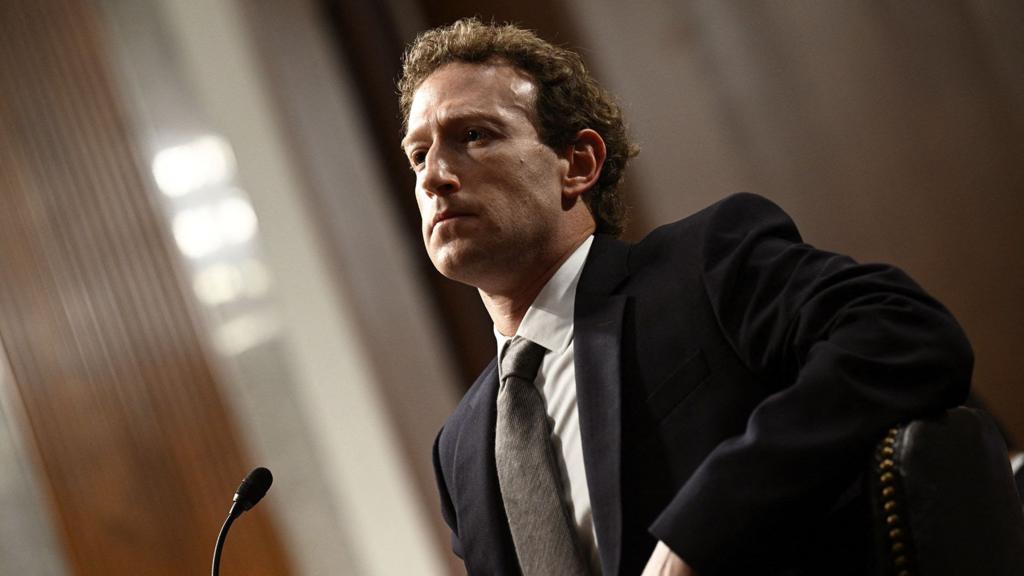
A highly anticipated witness is Meta CEO Mark Zuckerberg, who is scheduled to testify early in the trial.
In 2024, he told U.S. senators that “the existing body of scientific work has not shown any causal link between social media and young people having worse mental health outcomes.”
During that same hearing, Zuckerberg apologized to victims and their families who were present in the chamber, at the urging of a senator.
Tech executives “are often not good under pressure,” said Mary Anne Franks, a law professor at George Washington University.
She added that the firms were “very much much hoping” they could avoid having top bosses testify.
The trial coincides with increasing scrutiny of these companies from families, school districts, and prosecutors worldwide.
Last year, several U.S. states filed lawsuits against Meta, alleging that the company misled the public regarding the risks of social media use and contributed to a mental health crisis among young people.
Australia has implemented a social media ban for individuals under 16, and the UK indicated in January that it may follow suit.
“There is a tipping point when it comes to the harms of social media,” Franks said.
“The tech industry has been given deferential treatment – I think we’re seeing that start to change.”
Sign up for our Tech Decoded newsletter to follow the world’s top tech stories and trends. Outside the UK? Sign up here.
The claimants say Google Assistant recorded private conversations without their knowledge.
The singer hit out at Dr Zayn Khalid Majeed – who says he will try to have a positive impact with his content.
So-called manfluencers wearing smart glasses approach women and then post videos to TikTok and Instagram.
Details on the expanded access to location information was published in a new privacy policy for the popular social media app.
While TikTok’s future in the US has been secured, questions remain about exactly what changes US users will see.
“`