

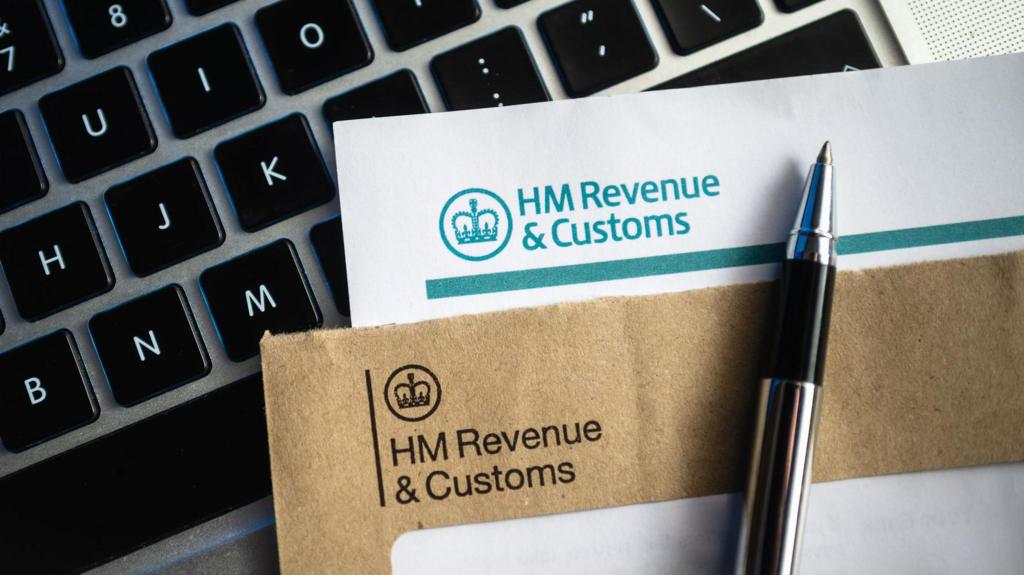
As the self-assessment deadline approaches, the UK’s tax authority, HM Revenue and Customs (HMRC), is extending its support services by opening additional phone lines and expanding webchat availability.
The deadline for filing the 2024-25 tax return online is the end of January, affecting millions of self-employed individuals and those with multiple income sources.
HMRC has augmented its Saturday support to assist those filing at the last minute, following the 1.1 million individuals who missed the deadline last year.
Past excuses for late filing have ranged from being on a mountain to sailing the world. Legitimate reasons for avoiding penalties include severe illness or a close family bereavement.
Failure to submit the required return by the end of Saturday will result in an automatic £100 fine, with the potential for further penalties.
According to HMRC, over 10 million individuals have already filed their tax return, but a significant number traditionally wait until the final day.
The tax authority advises that digital services offer the quickest access to support on Saturday.
Webchat capacity has been increased to ten times its usual Saturday level, with the digital assistant service operating as usual throughout the day.
The telephone helpline, typically closed on weekends, will be open from 09:00 GMT to 16:00 GMT for those requiring direct assistance with self-assessment.
HMRC has previously faced criticism for lengthy phone call wait times, and similar delays are anticipated on Saturday.
While many individuals have their tax automatically deducted via PAYE, those with multiple income streams may be required to file a return.
This includes those earning over £1,000 in the 2024-25 financial year from self-employment or property/land rentals.
Exemptions apply to those whose sole reason for filing previously was earning over £150,000, or those now paying the high income child benefit charge through PAYE.
Some individuals may be missing out on tax relief by submitting incomplete returns or not filing at all.
Sir Steve Webb, partner at LCP, estimates that approximately 800,000 higher or additional rate taxpayers could be losing out on tax relief by not declaring personal pension contributions or other “relief at source” schemes.
Those required to file must also settle any outstanding tax liabilities.
“Filing the return is only half the battle – you must also pay any tax owed for the 2024-25 tax year by January 31, ensuring sufficient cleared funds are available in your bank account ahead of the deadline,” advises Alice Haine, personal finance analyst at Bestinvest.
Individuals unable to pay in full by January 31 may be eligible for a “time to pay” arrangement online if they owe less than £30,000 and meet the specified criteria.
Penalties for missing the filing deadline are as follows:
HMRC will consider mitigating circumstances for missed deadlines, and a reasonable excuse may result in a penalty waiver.
The public is also urged to be vigilant against scams, with criminals posing as HMRC to defraud taxpayers. These scams may involve threats of unpaid tax bills or offers of fraudulent rebates.
From April, taxpayers with over £50,000 of gross income from self-employment or rental income in the 2024-25 tax year will need to comply with Making Tax Digital rules, which will replace self-assessment.
This requires maintaining digital records using approved software and submitting quarterly income and expense summaries to HMRC.
The threshold will decrease to £30,000 from April 2027, then to £20,000 from April 2028.
“Making Tax Digital represents the most significant tax change since the introduction of self-assessment, and with just over two months remaining, time is running out to prepare,” warns Victoria Todd, of the Low Incomes Tax Reform Group, which has published a guide for those unsure of the changes.
The increase was fuelled by the prices of food, leisure, motoring and household services, Jersey Statistics says.
The government has confirmed the discount for six million low-income households will continue for the rest of the decade.
Finance Minister John O’Dowd said he had “listened carefully” to the concerns raised by hospitality.
People at Accrington’s indoor car boot sale sell everything from records to second hand tools.
Sarah Daniels got into debt due to essential bills, a trend a charity says is on the rise.