

A new national police force is being established to centralize investigations into counter-terrorism, fraud, and organized crime.
Home Secretary Shabana Mahmood announced the creation of the National Police Service (NPS), which she described as a “British FBI,” aimed at deploying “world-class talent and state-of-the-art technology to track down and apprehend dangerous criminals.”
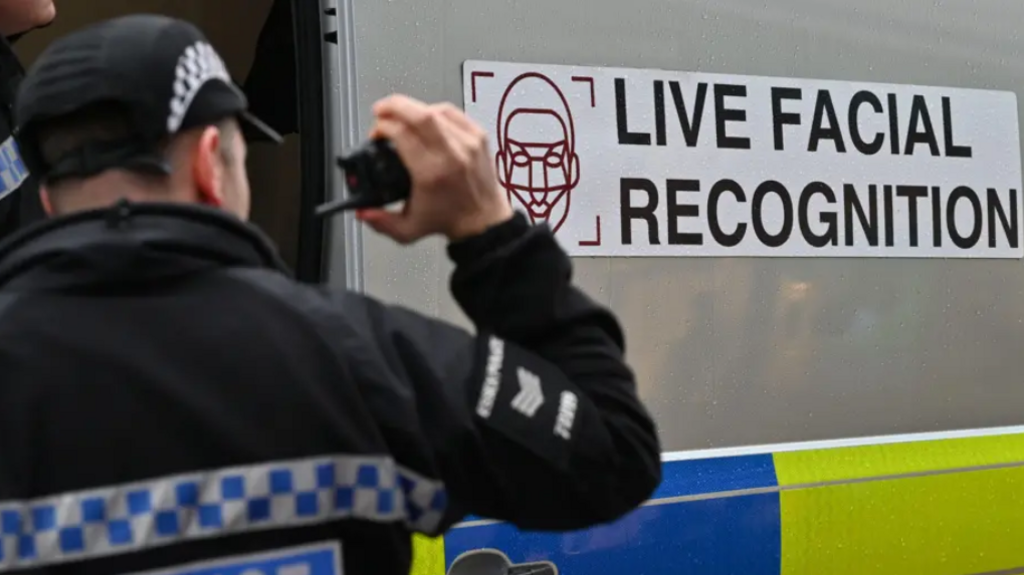
The NPS will consolidate the work of existing agencies, including the National Crime Agency and regional organized crime units, under a single organization. This will facilitate the procurement of advanced technologies, such as facial recognition, for use across all forces.
Mahmood stated that policing is currently “in a different century” and that the NPS will be a key component of a broader series of police reforms she is scheduled to unveil on Monday.
The NPS will operate in England and Wales, with the capacity to extend its reach throughout the UK, setting national standards and providing specialized training. It will be headed by a national police commissioner, who will become the most senior law enforcement official in the country.
The Home Office indicated that local police officers have been “burdened” with managing major crimes without adequate resources, which has detracted from their ability to address everyday offenses like shoplifting and anti-social behavior.
In recent days, the Home Secretary has outlined a series of significant changes to policing, citing the existing structures as “irrational.”
Counter-terrorism policing, currently led by the Metropolitan Police, as well as the National Air Service managed by West Yorkshire Police, and National Roads Policing, will also be integrated into the new organization.
The Home Office has stated that intelligence and resources will be strategically shared among different forces to ensure consistent levels of security for all citizens, “no matter where they live.”
While the government asserts that facial recognition technology has led to a significant reduction in crime, reportedly resulting in 1,700 arrests over the past two years, campaigners have expressed concerns regarding potential biases and privacy infringements.
The Home Office also plans to recruit leadership talent from outside of the existing police force.
Graeme Biggar, Director General of the National Crime Agency, voiced support for the new national force, stating that “the overall policing system is out of date. Crime has changed, technology has changed, and how we respond needs to change.”
He added, “These are threats that affect us all locally, but need a national and international response.”
Mahmood previously described the current policing structure as “irrational,” announcing on Thursday her intention to consolidate the existing 43 police forces into 12 larger “mega” forces.
On Friday, the government unveiled details of a licensing scheme for police officers, and increased the powers of ministers to intervene in cases where police and fire chiefs are deemed to be underperforming.
The proposed changes have elicited mixed reactions from senior figures within the policing community. The Police Federation cautioned that “fewer forces doesn’t guarantee more or better policing for communities.”
The Association of Police and Crime Commissioners (APCC) also expressed concerns that the creation of regional forces could be costly, time-consuming, and potentially distance police forces from the communities they serve.
In November, ministers announced plans to eliminate police and crime commissioners by 2028, with the aim of saving at least £100 million to help fund neighborhood policing initiatives.
The US will also offer “more limited” support to US allies, according to a new national defence strategy document.
Home Secretary Shabana Mahmood will announce plans for police reform next week.
Home Secretary Shabana Mahmood is to replace the grant with ringfenced funding for neighbourhood officers.
The turbocharged events of the last week – and the new US National Security Strategy – raise pressing questions about the new world order, and what it means for Europe
Katie Amess says previous reviews have failed to provide answers, and she wants a full inquiry.