

“`html
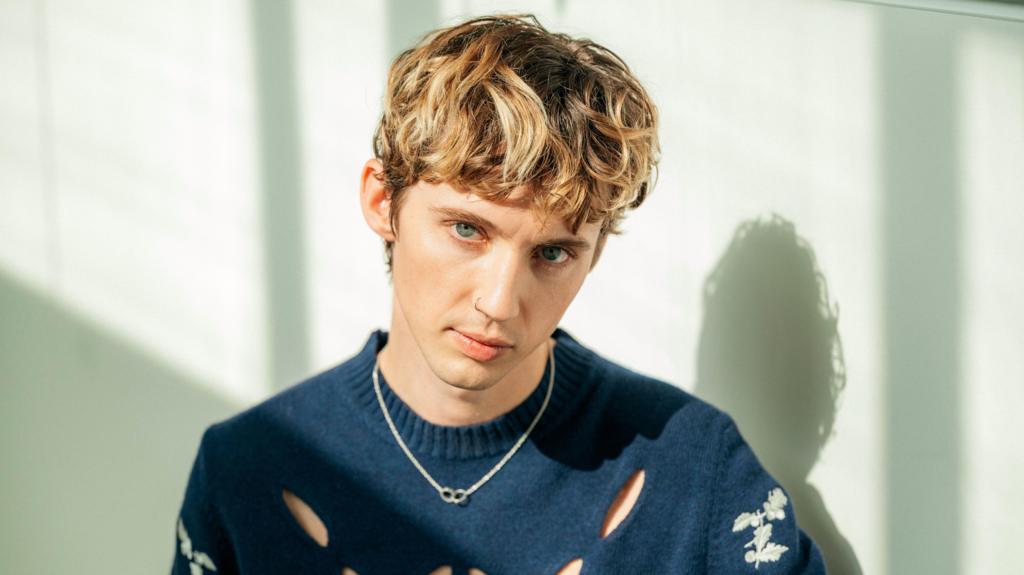
A cosmetic doctor who faced criticism after posting a video dissecting pop star Troye Sivan’s appearance says he “feels terrible” for upsetting the singer, but intends to continue posting content online.
Dr. Zayn Khalid Majeed, based in London, shared a two-minute video highlighting what he considered “problem” areas in the 30-year-old singer’s face, following Sivan’s appearance at a recent event in Australia.
The “unsolicited” advice drew backlash from fans, and Sivan himself responded with an essay explaining how the video had triggered longstanding insecurities about his body.
Majeed has since deleted the video and contacted Sivan to apologize. Speaking to BBC Newsbeat, he stated he will strive to create more positive content going forward.
Sivan, whose career began in his teens, is often considered an archetype of the “twink” aesthetic.
The term describes young, slender gay men with a youthful appearance, and Sivan’s image is prominently featured in Google results and on Wikipedia’s definition page.
In the video, which juxtaposed studio images of Sivan with recent red carpet footage, Majeed suggested that Sivan was showing signs of “twink death.”
The cosmetic doctor, who boasts over 250,000 followers across various platforms, identified several “problem areas,” including shadows and “volume loss” in the singer’s face.
He then presented a hypothetical scenario where Sivan was his patient, outlining potential cosmetic “improvements” such as skin boosters and dermal fillers.
Social media users and Sivan’s fans criticized Majeed’s “unsolicited” advice on how to “retwinkify” himself.
Sivan addressed the video directly in a post on Substack, writing that it exacerbated his insecurities and made him consider cosmetic surgery.
“I’ve struggled with my body image for a lot of my life, as I’m sure most people have,” he wrote. “What good is money and modern medicine if not to fix all of these flaws that this random… plastic surgeon told me I have?”
Newsbeat contacted Majeed, who acknowledged that Sivan’s response “was incredibly raw and vulnerable.”
“I felt terrible and it was never my intention to make him feel like that, which is why I reached out to him directly to apologise,” he stated.
Majeed removed the videos from his TikTok and Instagram accounts, and Sivan subsequently updated his blog, stating that there were “no hard feelings from [his] side.”
The doctor admitted he can “see how it came across.”
Majeed explained that he initially created content to “educate and inform” people, but began discussing celebrities due to viewer interest.
“For every one celebrity video I make, I make five chatty educational videos,” he said.
However, reflecting on the situation with Sivan, he emphasized his desire to avoid contributing to the “negative beauty standards” prevalent today.
“I have a voice and I need to use it to shape conversations for the better, where we’re more body positive and we accept ageing as a natural process,” he said. “Sometimes you don’t realise the impact that you can have.”
Majeed clarified that he will continue producing videos analyzing celebrity faces, as he believes there is public interest in the topic.
“It is important to demystify surgeries that celebrities have and educate patients,” he stated.
Samantha Rizzo, a New York-based “skin-positivity” content creator, acknowledged the potential benefits of posts that “showcase” cosmetic work or provide educational information.
“I appreciate if you’re using your clients and they consent to their before, during, after photos,” she told Newsbeat. “I feel a little icky when they’re just taking the celebrity’s picture.”
“Just because they’re famous doesn’t mean you have the right to just pick them apart.”
Rizzo, 26, underwent botox injections in her jaw in an attempt to alleviate pain and migraines after watching videos online. However, the procedure resulted in limited facial movement, and she now regrets her decision.
In retrospect, she believes her insecurities were fueled by the content she was “consuming.”
“The things you can see can skew your perception of yourself so much that it forces your hand for a decision like that,” she said. “It’s mind-boggling.”
Keelin Moncrieff, an Irish social media personality, expressed concerns about the accessibility of information regarding various procedures and their potential influence on young people.
The mother-of-one told Newsbeat that while she understands some creators may strive for “transparency” about their own cosmetic procedures, it risks inadvertently endorsing such treatments.
“People can’t make up or fill in the gaps of what they’re not seeing behind the scenes,” she said. “People think that this is an easy process.”
Moncrieff, 28, also noted that being online often invites unwanted comments about one’s appearance—an experience she has personally encountered.
“I remember I got a comment once saying that my hands were really wrinkly,” she recalled. “That’s something that’s never even popped into my brain.”
However, when it comes to surgical alterations, she has made a firm decision.
“Very often I look in the mirror and think: ‘Oh, I could get this done, I could get this done’,” she said.
“I would find that disturbing. I don’t want to uphold those standards.”
Correction: The headline and first paragraph of this story previously described Dr Zayn Khalid Majeed as a cosmetic surgeon. It has been updated to reflect the fact he is registered with the General Medical Council as a doctor, not a surgeon.
Listen to Newsbeat live at 12:45 and 17:45 weekdays – or listen back here.
It comes after the city council initially planned to cut funding for the industry to save money.
Independent Venue Week, which starts on Monday, aims to get more people watching grassroots gigs.
A girl, 16, explains how she “fell in love” with the pipes, while a boy, 14, says he loves the tunes.
Some artists already ban phones at their gigs while some headteachers say locking them away helps children learn.
Some 80,000 people are expected to attend the free three-day event in Sunderland in May.
“`