

“`html
A pub chain owner in South East England reports an anticipated £62,000 annual increase in costs following recent Budget announcements.
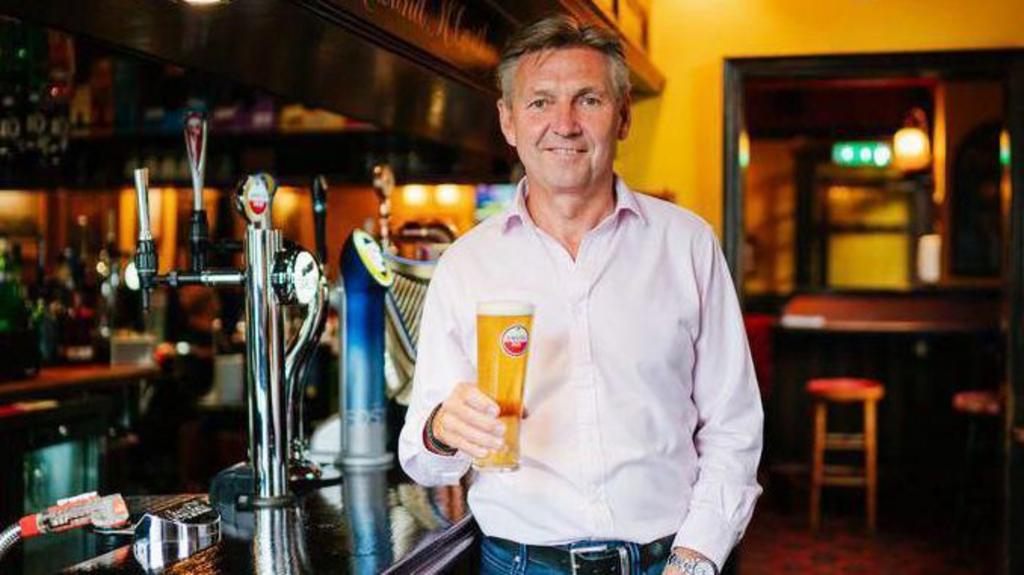
Phil Thorley, who heads Thorley Taverns, notes that business rates—taxes on commercial properties—are set to rise for 17 of his 18 locations, despite Chancellor Reeves’ pledge to reduce taxes for retail, leisure, and hospitality businesses.
Reeves had promised the lowest tax rates since 1991 for pubs, restaurants, and small shops by increasing the levy on higher-value properties, such as warehouses used by Amazon and similar online retailers.
The government asserts its implemented changes will save most “typical independent pubs” an average of £4,800 each year.
A firm’s rateable value, based on the estimated annual rental cost of the property, is used to calculate its business rates.
The government stated it would calculate business rates for 750,000 High Street retail and hospitality firms using a lower percentage of the rateable value, although the tax relief was not as substantial as anticipated.
Concurrently, many businesses face increased rateable values and the phasing out of a 40% Covid-era discount starting in April.
Consequently, despite some transitional relief, numerous firms are expected to experience significant increases in their business rates.
Transitional relief is designed to moderate the increase in rates each year. For properties outside London with a rateable value of £20,000 to £100,000, the limit is 15% in 2026-27, 25% in 2027-28, and 40% in 2028-29 (plus inflation).
UK Hospitality estimates the average pub will pay an additional £12,900 over these three years, while an average hotel will pay £205,200 more.
Speaking on BBC Radio 4’s Today program, Mr. Thorley indicated that the rateable value of most of his properties had “gone north.”
“This adds a further £62,000 of costs to the business, which is already severely challenged.”
He highlighted the industry’s existing pressures following the previous Budget in October, which increased hiring costs through higher employer national insurance contributions and a rise in the minimum wage.
Mr. Thorley warned that another minimum wage increase would result in “less employment, less investment, less training for our existing staff, and fewer job opportunities for young people.”
He further cautioned that the latest Budget could “be the death knell to the British pub.”
The government maintains that it is supporting pubs, restaurants, and cafes with a £4.3 billion relief package, limiting their business rates bills.
A Treasury spokesperson stated: “This builds upon measures such as reducing licensing costs to encourage outdoor dining and drinks service, maintaining reduced alcohol duty on draught pints, and capping corporation tax.”
However, Elaine Wrigley, owner of Atlas Bar in Manchester, described Reeve’s latest Budget as “smoke and mirrors.”
Speaking to the BBC, she noted that her bar’s rateable value had increased from £69,000 in 2023 to £97,000, and that even with lower multipliers for small retail, leisure and hospitality firms, she is still facing a 15% increase in her business rates bill.
“She may well have said it’s the lowest rate and the best support but it’s from the highest base,” Ms Wrigley said.
“We’ve put our prices up four times in the last 12 months, but we’re at a point now where we feel like we can’t put any more on to our customers, so subsequently our margins are being reduced and being squeezed which is not helpful.”
Sacha Lord, chairman of the Night Time Industries Association (NTIA), characterized the business rate changes as a “stealth tax” on High Street pubs, restaurants, and bars.
He told the BBC that while operators initially welcomed the Budget, the impact of revaluations became apparent within hours of the chancellor’s statement.
“Once this kicks in in April, we are expecting to see more closures than ever before, including during the pandemic,” Mr. Lord warned.
Conservatives have labeled the chancellor’s business rates changes a “bombshell”, cautioning that many pubs, restaurants, and shops will see their bills “going up, by a lot”.
Shadow business secretary Andrew Griffith stated that the government had previously considered a far larger discount to business rates but had “bottled it”.
“The result will be more closures, fewer jobs, and lower growth,” he stated.
He urged Reeves to urgently change course, saying that “businesses need certainty before they face these bills in April.”
The Liberal Democrats called on Reeves to “throw our hospitality sector a lifeline.”
Treasury spokeswoman Daisy Cooper added, “Our pubs, cafes, and restaurants are already on their knees, and these choices will only force more high street businesses to shut up shop.”
She requested the chancellor reduce the rate of VAT for the sector.
Three days in, after a tax U-turn and partial climbdown on workers’ rights, Laura Kuenssberg looks at what impact Budget week might have.
Photographer Ian Beesley and poet Ian McMillan’s pamphlet looks at the benefits of going to the pub.
The Conservatives say she was overly gloomy about the public finances as a “smokescreen” to raise tax.
The UK and Manx economies face similar pressures, says Isle of Man Finance Minister Alex Allinson.
The chancellor says those who only receive the state pension won’t have to pay income tax before 2030.
“`