
Tue. Dec 30th, 2025
Boxing Day Sales See Last-Minute Shopper Surge

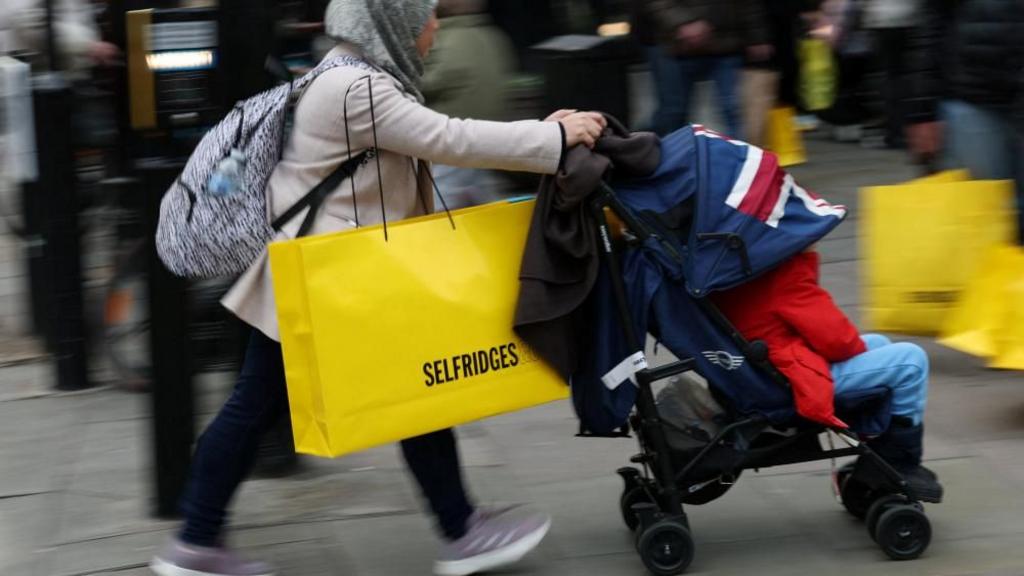
A surge in evening shoppers seeking Boxing Day discounts contributed to a decade-high increase in footfall for the annual sales event, according to new data.

MRI Software reports a 4.4% increase in footfall across all UK retail destinations, including high streets and shopping centers, compared to the same day in the previous year.

Saturday also saw robust footfall, and MRI anticipates that this strong post-Christmas shopping trend will extend into the new year.

However, increased footfall does not necessarily equate to higher spending, with Barclays forecasting a £1 billion decrease in consumer spending on Boxing Day deals this year.

Early MRI data indicated a subdued response to the sales by 3pm on December 26, with high street visits down 1.5% and shopping center visits down 0.6% compared to 2024, as reported by the BBC.

MRI, which tracks footfall in over 660 UK retail locations, noted through retail analyst Jenni Matthews that shopper activity increased later in the day.

“The increase in activity was driven by a peak in visits across all UK retail destinations from 5pm – 11pm averaging +9.6% versus an average increase of +3.1% from 6am-5pm,” she stated.

With many stores remaining closed until December 28, Ms. Matthews suggested that hospitality and leisure venues likely benefited from the increased foot traffic.

“This is an early indicator that the retail sector may well end the year on a positive note given the challenging times faced at the beginning of the year,” she added.

Data from MRI also showed strong shopper turnout on Saturday, with a 1.6% increase in footfall across retail destinations compared to December 27 of the previous year.

Ms. Matthews anticipates a continued rise in footfall in the coming days, as family gatherings conclude and the new year approaches.

She stated that consumers will likely be “shopping the sales, making the most of the festive events and attractions within towns and cities, and stocking up on New Year’s Eve essentials, keeping the festive retail period firmly in motion.”

Analysts point to 2025 as a difficult year for many, as rising prices and other factors have put pressure on household budgets.

Barclays’ consumer spending report indicated that fewer people planned to take advantage of the sales, forecasting spending at £3.6 billion, down from £4.6 billion the previous year.

Recent retail spending data from the Office for National Statistics revealed that many shoppers largely resisted the appeal of November’s Black Friday sales, with only a 0.1% increase in sales volumes.

The strength of the UK economy helps determine how much tax the government collects to pay for services.

While UK high streets saw a drop in footfall on Black Friday, the West End saw a rise in shoppers.

The state borrows to fund day-to-day spending as well as long-term infrastructure projects.

Supermarket sales fell for the fourth month in a row, while discounts did not lift Black Friday spending in November, figures suggest.

Andrew Bailey says workers need to be trained to move into jobs that use AI, but adds it might not lead to mass unemployment.

Boxing Day Sales See Last-Minute Shopper Surge

Data indicates that a surge in evening shoppers seeking Boxing Day deals contributed to a decade-high increase in footfall for the annual sales event.

MRI Software reports a 4.4% rise in footfall across all UK retail destinations, encompassing high streets and shopping centers, compared to the corresponding day last year.

Saturday also saw robust footfall, and MRI anticipates that the strong post-Christmas shopping trend will persist into the new year.

However, increased footfall does not automatically translate to higher spending. Barclays has projected a £1 billion decrease in consumer spending on this year’s Boxing Day deals.

Early data from MRI on December 26th indicated a subdued response to the sales, with high street visits down 1.5% and shopping center visits down 0.6% by 3pm compared to 2024.

MRI, which tracks footfall in over 660 UK retail locations, noted a shift in shopper behavior as the day progressed. According to retail analyst Jenni Matthews, shoppers opted to venture out later in the day.

“The increase in activity was fueled by a peak in visits across all UK retail destinations from 5pm – 11pm, averaging +9.6% compared to an average increase of +3.1% from 6am-5pm,” she stated.

With many stores delaying their reopening until December 28th, Ms. Matthews suggested that hospitality and leisure venues likely benefited from the increased foot traffic.

“This serves as an early indication that the retail sector may conclude the year positively, considering the challenges faced at the beginning of the year,” she added.

MRI data also showed strong shopper turnout on Saturday, with footfall across retail destinations up by 1.6% compared to December 27th of the previous year.

Ms. Matthews anticipates continued growth in footfall in the coming days, with family gatherings concluding and the new year approaching.

“Consumers are likely to engage in sales shopping, take advantage of festive events and attractions in towns and cities, and stock up on New Year’s Eve essentials, maintaining the momentum of the festive retail period,” she explained.

Analysts report that 2025 has been a difficult year for consumers, with rising prices and other factors straining household finances.

Barclays’ consumer spending report indicated a decrease in the number of people planning to participate in the sales, forecasting shopper spending at £3.6 billion, down from £4.6 billion the previous year.

Recent retail spending data from the Office for National Statistics revealed that many shoppers resisted the allure of November’s Black Friday sales, with only a 0.1% increase in sales volumes.

The strength of the UK economy helps determine how much tax the government collects to pay for services.

While UK high streets saw a drop in footfall on Black Friday, the West End saw a rise in shoppers.

The state borrows to fund day-to-day spending as well as long-term infrastructure projects.

Supermarket sales fell for the fourth month in a row, while discounts did not lift Black Friday spending in November, figures suggest.

Andrew Bailey says workers need to be trained to move into jobs that use AI, but adds it might not lead to mass unemployment.