

The House of Lords has granted an additional 10 days for deliberation on the assisted dying bill, following an unprecedented number of amendments that raised concerns about the legislation’s timely passage into law.
The bill, endorsed by MPs in a landmark vote last June, is currently in its final stages within the House of Lords. Peers are tasked with reaching an agreement on the precise wording of the legislation for it to be enacted.
Concerns have emerged that opponents are attempting to obstruct the bill through a high volume of proposed alterations coupled with protracted discussions.
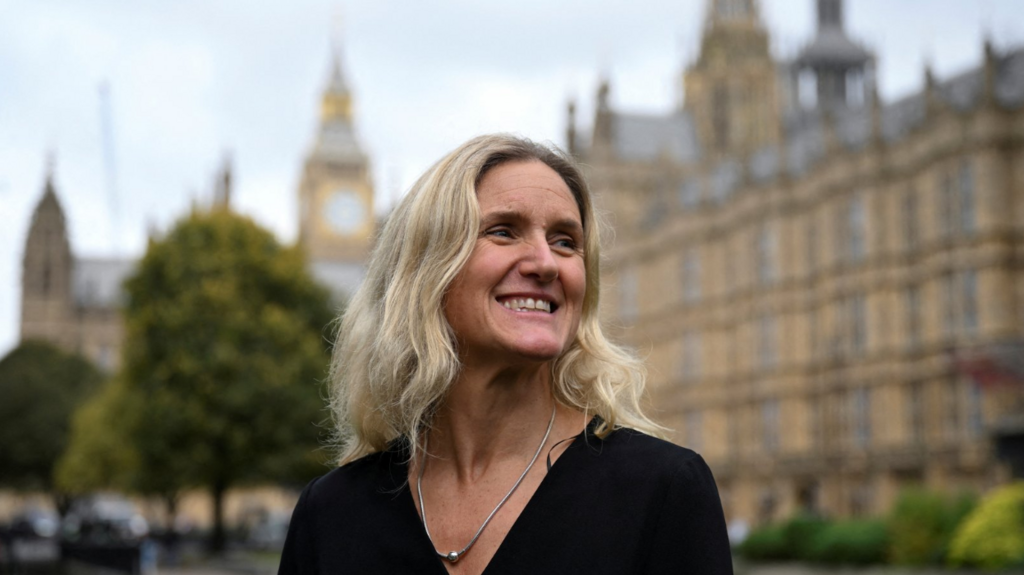
Drafted as a private member’s bill by Labour MP Kim Leadbeater, the legislation faces a firm deadline for reaching an agreement with the Lords.
To secure approval, the Terminally Ill Adults (End of Life) Bill must gain the assent of both the Commons and the Lords before the conclusion of the current parliamentary session in the spring.
If passed, the bill would permit terminally ill adults in England and Wales, with a prognosis of fewer than six months to live, to apply for assisted dying. This would be contingent upon approval from two doctors and a panel comprising a social worker, a senior legal expert, and a psychiatrist.
Critics and opponents of the bill maintain that significant revisions are necessary to adequately safeguard vulnerable individuals.
However, after two of the four days allotted for the committee stage—during which the bill is scrutinised line by line—peers had addressed fewer than 30 of the over 1,000 amendments submitted.
With only two further sessions scheduled before year’s end, Childline founder Dame Esther Rantzen, who is terminally ill with cancer, recently urged peers against “sabotaging democracy.”
Leadbeater has voiced similar concerns, noting that “some of the processes and procedures that can be used are being used to frustrate the bill, and that is deeply disappointing and upsetting.”
The government’s chief whip in the Lords has now announced that an additional 10 Fridays will be dedicated to debates in the Lords, spread across several weeks in the New Year, from January 9 to April 24.
Lord Roy Kennedy stated that it is “clear the House needs additional time to scrutinise the Bill” given the high number of amendments.
He clarified: “I have always been clear that as this government is neutral on the Bill any additional time will not come from government time.”
“I also believe given the importance of the subject and the number of colleagues wishing to participate, that this scrutiny could not take place in the Grand Committee, as some have suggested to me.”
“I have therefore arranged for the House to sit on an additional eight additional Fridays in the New Year in addition to the three Fridays already announced.”
He emphasised that the government is not attempting to “prescribe” the bill’s progress, given its neutral stance.
Leadbeater welcomed the decision, expressing her satisfaction that extra days had been allocated to address the substantial number of amendments.
“It is right that peers use their expertise and experience to properly scrutinise the Bill and propose improvements to strengthen it where necessary,” she said.
“These extra days provide an unprecedented amount of debating time for a private members’ bill.”
“There is little doubt that these days, used responsibly and constructively, will allow the Bill progress through the Lords and enable Parliament to give dying people choice and dignity in their final days and protect their loved ones from the threat of prosecution.”
Lord Charlie Falconer, who is guiding the Bill through the Lords, noted that the additional dates mean there will be 16 days for considering the legislation in the Lords up to April 24.
Sign up for our Politics Essential newsletter to read top political analysis, gain insight from across the UK and stay up to speed with the big moments. It’ll be delivered straight to your inbox every weekday.
Former Army chief Lord Richard Dannatt and businessman Lord Evans of Watford face suspensions.
Experts say the volume is a record, and backers of the bill fear opponents are using delaying tactics.
Helen Newlove fought tirelessly for crime victims following the murder of her husband Garry in 2007.
Baroness Helen Newlove has been remembered as a commissioner who stood up for all victims.
Lord Sahota blames a “toxic political environment” for a spate of crimes in the West Midlands.