

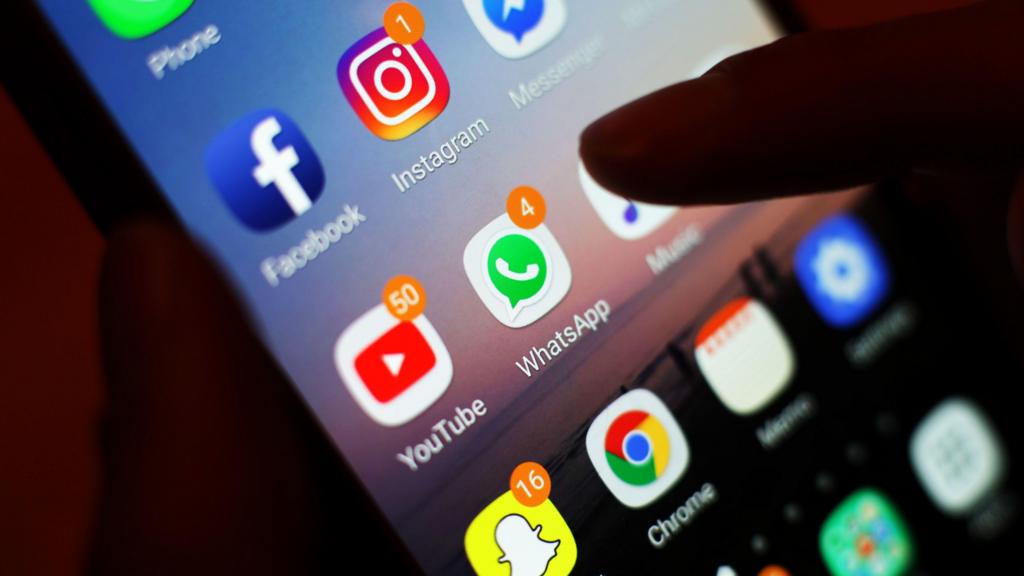
The House of Lords has voted in favor of a measure that would prohibit individuals under the age of 16 in the UK from accessing social media platforms.
By a margin of 261 to 150, opposition peers supported the ban through an amendment to the government’s schools bill.
Despite the vote, the amendment’s passage into law remains uncertain, as the government has signaled its intention to overturn the amendment in the Commons while simultaneously conducting its own three-month consultation on the potential ban.
This sets the stage for a challenging vote for ministers during the bill’s next stage of debate, as they face pressure from some Labour MPs to adopt more stringent measures.
Political momentum in Westminster supporting a ban has increased since Australia’s recent decision to prohibit under-16s from 10 major platforms, with over 60 Labour MPs recently joining Conservative members in advocating for a similar initiative.
However, some campaigners and children’s charities have voiced opposition to the proposal.
The amendment garnered support from Conservative, Liberal Democrat, and crossbench peers, as well as two Labour members.
Lord Nash, a former Tory schools minister and one of the amendment’s sponsors, characterized children’s social media use as a “societal catastrophe,” arguing that a ban would afford teenagers “a few more years to mature” before engaging with these platforms.
He asserted that there is “overwhelming” evidence linking teenage social media use to mental health issues, online radicalization, and disruptive classroom behavior.
Dismissing the government’s consultation as a “last-minute attempt to kick the can down the road,” he questioned, “What are we waiting for? We know our children are being harmed.”
Online safety advocate Baroness Kidron, another peer backing the ban, expressed concern that the government’s consultation would become the “playground of the tech lobbyist.”
“The government has shown it will only act under pressure, not principle,” she added.
Conversely, other peers urged caution regarding the proposal, with Labour peer Lord Knight of Weymouth suggesting that it could drive teenagers towards “less regulated platforms.”
He further noted that a blanket ban would deprive children of the potential benefits of social media, advocating for a more nuanced approach that “listens to young people” during the government’s consultation.
When asked earlier whether it would support the Lords’ amendment, Sir Keir Starmer’s spokesperson stated, “Our position is clear. We won’t accept the amendment.”
“This is an extremely complex issue. We believe the right thing to do is to gather the necessary evidence and insight before changing the law.”
Sign up for our Politics Essential newsletter to keep up with the inner workings of Westminster and beyond.