

A new analysis reveals that U.S. emissions of greenhouse gases rose in 2025 for the first time in three years, driven by a frigid start to the year and the escalating power demands of data centers and cryptocurrency operations.
The data indicates a surge in natural gas consumption for residential heating and a 13% increase in coal utilization to meet burgeoning electricity needs.
Despite a significant expansion in solar power generation, overall greenhouse gas emissions climbed by 2.4% after a period of decline, exceeding the rate of economic growth, according to estimates from the Rhodium Group.
The report’s authors suggest that the Trump administration’s policies did not “meaningfully impact” the emissions increase in 2025, but anticipate potential shifts in the coming years.
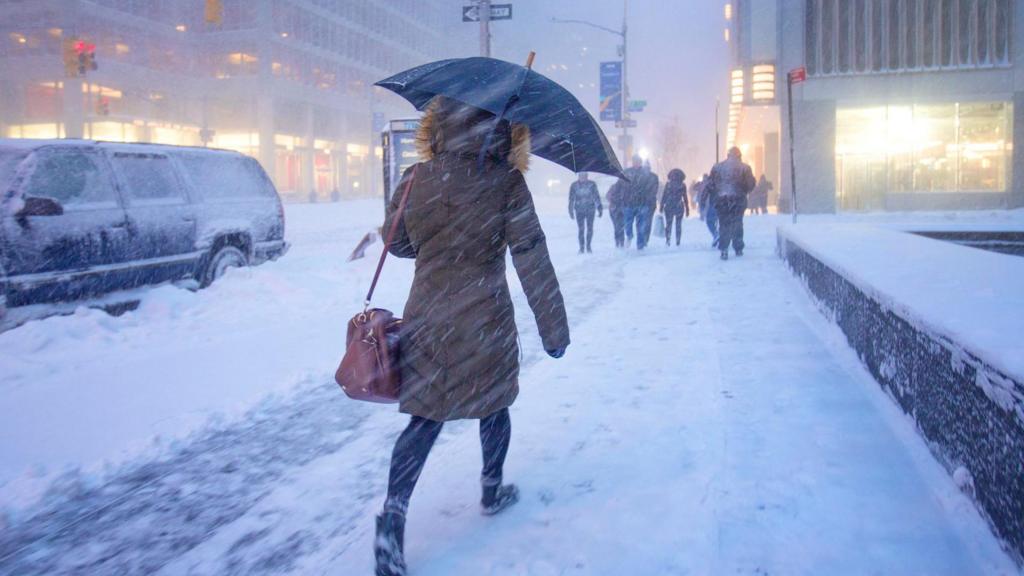
In colder regions of the United States, many households rely on natural gas and other fossil fuels for heating.
The exceptionally low temperatures experienced in early 2025 led to a nearly 7% increase in consumption of these fuels compared to the previous year.
The proliferation of data centers and cryptocurrency mining operations in areas such as Texas and the Ohio Valley also contributed to heightened electricity demand.
This increased demand, coupled with elevated natural gas prices, fueled the 13% surge in U.S. coal consumption last year.
This trend contrasts sharply with India and China, where coal use for electricity generation declined by 3% and 1.6% respectively, as both nations expanded their wind and solar energy capacities to record levels, according to an analysis by Carbon Brief.
“The power grid met the additional load in part with renewables, and in part with fossil fuels, but due to higher natural gas prices, some fuel switching occurred, resulting in marginally more coal use than in 2024,” explained Michael Gaffney, lead author of the Rhodium Group report.
Some observers attribute the high cost of natural gas in the U.S. to the continued large-scale exports of gas to international markets.
“Higher natural gas prices mean that coal, which had been largely displaced by low natural gas prices, is now once again economically viable,” stated Jesse Lee of Climate Power, a U.S.-based environmental advocacy group.
“This is what’s enabling coal to make a comeback.”
Since 2007, coal power generation in the U.S. has decreased by 64%, with last year’s rise representing only the second increase in the past decade.
The past year also witnessed a slowdown in the decommissioning of coal-fired power plants, as electricity providers postponed closures to meet demand.
Does 2025 signal the beginning of a resurgence for coal?
“It’s more than just a blip,” said Michael Gaffney.
“This is a response to demand growth in the sector, driven largely by data centers, cryptocurrency operations, and other large load customers, and that demand growth is likely to persist.”
Solar power experienced significant growth in the U.S. last year, increasing by 34%, the fastest rate since 2017.
The transportation sector, encompassing road, rail, and air travel, remains the largest contributor to greenhouse gas emissions, with road traffic volumes increasing for the fifth consecutive year.
However, emissions from this sector remained relatively stable in 2025 due to the increasing adoption of hybrid and electric vehicles.
Hybrid vehicles, in particular, demonstrated strong growth, with a 25% increase compared to 2024.
While President Trump has actively pursued policies aimed at reversing climate-related initiatives and promoting U.S. fossil fuel extraction, Rhodium Group analysts contend that these changes had minimal impact in 2025.
Others disagree.
“The data center boom is somewhat independent of Trump,” says Lee, of Climate Power.
“While it could be argued that his policies haven’t fully taken effect yet, I don’t think you can separate his promotion of natural gas exports and his unwavering support for AI and data centers from the emissions dynamic.”
Graphic by Mark Poynting
Sign up for our Future Earth newsletter to get exclusive insight on the latest climate and environment news from the BBC’s Climate Editor Justin Rowlatt, delivered to your inbox every week. Outside the UK? Sign up to our international newsletter here.