

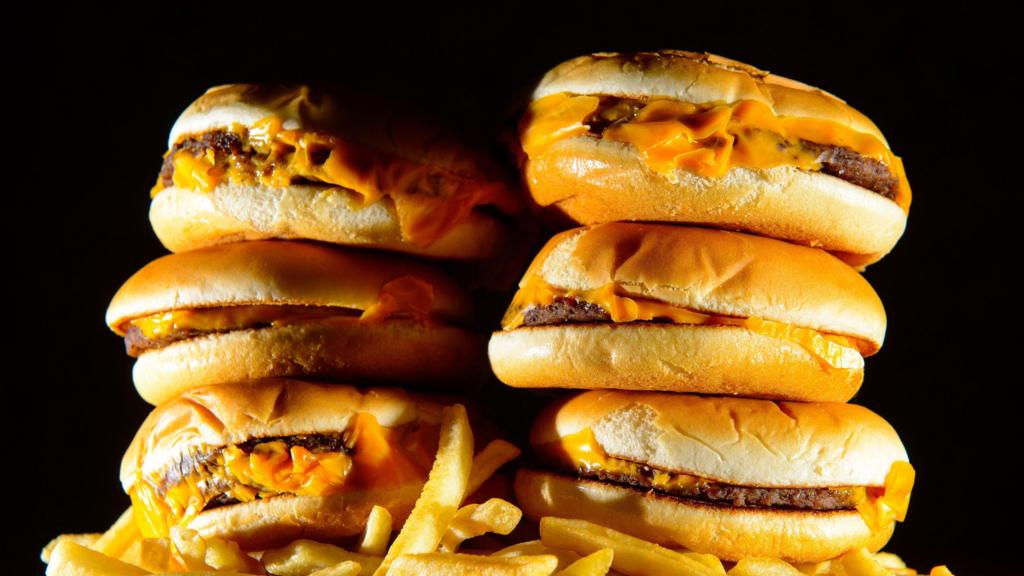
A ban on junk food advertising across television and online platforms is set to take effect on Monday, marking a significant step in the effort to combat childhood obesity.
The new regulations, applying nationwide across the UK, will prohibit the advertisement of food and beverages high in fat, salt, and sugar (HFSS) on television before 9:00 PM and at any time online.
This initiative targets products identified as primary contributors to childhood obesity, including items such as soft drinks, chocolates, sweets, pizzas, and ice cream.
The Food and Drink Federation (FDF) has stated its dedication to promoting healthy eating habits and confirms it has been voluntarily adhering to these new restrictions since October.
Beyond the commonly recognized unhealthy foods, the ban will extend to certain breakfast cereals and porridges, sweetened breads, as well as prepared meals and sandwiches.
The determination of which products fall under the ban will be made using a scoring system that evaluates their nutrient content against their levels of saturated fat, salt, or sugar.
Unprocessed oats and most varieties of porridge, muesli, and granola will be exempt from the restrictions, while versions containing added sugar, chocolate, or syrup may be affected.
Companies will still be permitted to promote healthier versions of products subject to the ban, a provision the government hopes will incentivize the development of more nutritious recipes.
The ban is limited to adverts where unhealthy products are visually presented to viewers, meaning fast-food companies can continue advertising using their brand names.
Previously, HFSS food and drink adverts were banned on platforms where more than 25% of the audience was under 16 years old.
Businesses failing to comply with the new regulations may face action from the Advertising Standards Authority (ASA).
Data from the NHS indicates that nearly one in ten (9.2%) children of reception age are currently living with obesity, and one in five children exhibit tooth decay by age five.
The NHS estimates the annual cost of obesity-related healthcare to be over £11 billion.
Research suggests that children’s exposure to advertisements for unhealthy foods can influence their dietary choices from an early age, increasing their risk of becoming overweight or obese.
The government anticipates that the advertising ban will prevent approximately 20,000 cases of childhood obesity.
Katherine Brown, Professor of Behaviour Change in Health at the University of Hertfordshire, described the ban as “long overdue and a move in the right direction.”
She stated, “Children are highly susceptible to aggressive marketing of unhealthy foods, and exposure puts them at greater risk of developing obesity and associated chronic diseases.”
Professor Brown urged the government to make nutritious options “more affordable, accessible, and appealing.”
The FDF affirmed that manufacturers are “committed to working in partnership with the government and others to help people make healthier choices.”
It added, “Investing in developing healthier products has been a key priority for food and drink manufacturers for many years, and as a result, our members’ products now have a third of the salt and sugar and a quarter of the calories than they did ten years ago.”