

Infidelity, divorce, and even “soft-swinging” are themes not traditionally associated with Christianity, yet they feature prominently in the hit US reality show, “The Secret Lives of Mormon Wives.”
The television series follows a group of female influencers in Utah, the heartland of The Church of Jesus Christ of Latter-day Saints (LDS), as they navigate friendship disputes, romantic complexities, and their relationship with their faith.
“These Latter-day Saints are no angels,” the trailer for season three declared, setting the stage for the drama. The show achieved the highest viewership for an unscripted season premiere on Hulu in 2024 and continues to attract millions of viewers globally on both Hulu and Disney+.
The cast members, who initially gained recognition on TikTok under the “MomTok” banner, have amassed a significant following on social media.
But how do members of the Church of Jesus Christ of Latter-day Saints in the UK perceive the show’s portrayal of their religion? BBC News spoke to several individuals, many of whom prefer to be identified as members of the Latter-day Saints rather than Mormons, to gain their perspectives.
“We’re normal people,” said Ben, a podcast producer residing near Burnley.
“Infidelity and extramarital affairs still exist, although probably at a significantly lower percentage due to our intentional efforts to avoid such behavior. Nevertheless, these issues can still arise.”
The show has become a must-watch for Ben’s wife, Olivia, who he said “loves it” and has marked the new season in their calendar to ensure she doesn’t miss it.
Ben, 27, noted that when the first series aired last year, there was “hesitancy” within the LDS community. However, he believes that most people now support the women on the show and are not “embarrassed” by them, “because we’re not.”
“In the UK, spending a week with a Latter-day Saint family would likely be a generally uneventful and average experience,” he said.
Ben and Olivia are among the approximately 185,000 members of the LDS in the UK. The church was founded by Joseph Smith in the US in 1830, who claimed to have received a revelation from God, which he translated into the Book of Mormon.
Members of the LDS consider the Book of Mormon to be the word of God, akin to the Bible. Unlike other Christian denominations, they do not believe Jesus is God himself, but rather separate beings.
They are widely known for their missionary program, where thousands of young Mormons are sent by the LDS to various locations worldwide to proselytize.
In 1837, the first missionaries from the newly established LDS arrived in the UK in Preston, Lancashire, now home to Europe’s largest Mormon temple. Earlier this year, plans to expand the temple, where Ben and Olivia sometimes worship, received approval from local councillors.
Traci, 57, from Buckinghamshire, told BBC News that after growing up in the LDS, she left the faith at 17 following her mother’s death. Approximately a decade later, while pregnant with twins, she said she prayed nightly, seeking help. After her sons were born, missionaries visited her home, and she “felt the Holy Ghost’s presence.”
Since then, she has been a practicing member of the LDS, which entails adhering to a health code that prohibits tea, coffee, and alcohol consumption, and advocates for moderate meat consumption.
Traci, a psychotherapist based in Olney, opted not to watch “The Secret Lives of Mormon Wives” but, based on what she’s heard, believes “it’s not representative of the women” she knows in the LDS. “It’s not the way that they live their life.”
She said she understands that “sometimes people do have a curiosity about members of our church, they do want to know what makes us tick,” but adds: “Sometimes I worry, how are we being represented? How do you see us?”
One of the key themes in the television show is the pressure the women feel in their family lives. Jessi, a cast member whose storyline involves an emotional affair, said that avoiding issues in her marriage contributed to infidelity and blamed Utah’s Mormonism for creating “a lot of pressure to have the perfect relationship, the perfect family, and everything’s great.”
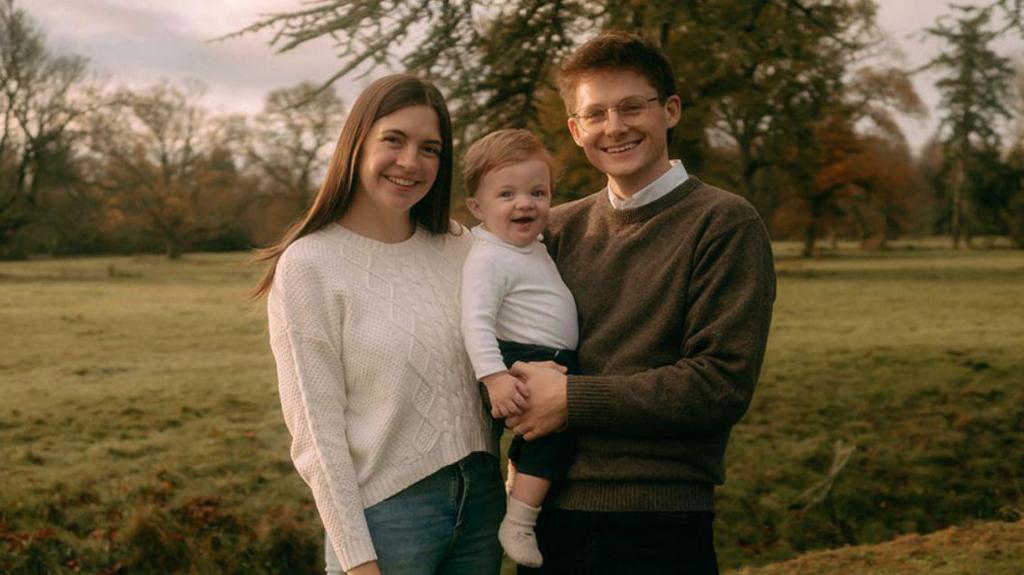
Back in the UK, we also spoke to Ashlyn, a friend of Ben and Olivia who attended university in Utah and now lives in Burnley with her husband, Joe, and their nine-month-old son.
She believes the show is “a really accurate representation of the church in Utah and culturally what Utah looks like, where belief meets cultural practices.”
Ashlyn, 25, explained that the high concentration of Mormons in Utah results in pressure to start a family, not only from the Church but also from “everybody that you interact with.”
“That pressure is very real. A lot of us call it the Utah bubble.”
However, she emphasized that the situation is different in the UK. She describes the show’s US cast as “probably more culturally members” of the LDS rather than devout believers.
Ashlyn described her experiences with the LDS as encouraging rather than pressuring. “Some people view a lot of the commandments and what people might label ‘rules’ as very confining and almost like there’s all these gates holding me in,” Ashlyn said, “whereas for us, it’s viewed a little bit more as safety. It helps direct us in the right way.”
She also affirmed that “soft swinging,” one of the show’s scandals, would “definitely” be “discouraged” by the Church.
Influencer Taylor Frankie Paul was at the center of the storyline in series one, where she described engaging in sexual intimacy with her then-husband, but stopping short of “going all the way,” with two other couples at various parties.
Ashlyn explained that in the LDS, “we have something called the law of chastity that says we should really save sexual relations within our marriages.”
She describes her lifestyle in Burnley as “very family-centered, very healthy, trying to focus on going to church on Sunday, serving others, being a really good example to others, and helping in the community.”
Ashlyn added: “I don’t think it would be as entertaining if “The Secret Lives of Mormon Wives” was actually just them bringing cookies to their neighbors and just living very wholesome family lives.”
Another theme in the show focuses on Layla, a Black member of the LDS who stops attending because she says the Church no longer “resonates” with her as a person of color, having converted to LDS and moved to Utah when she was 16.
“There is an old scripture in the Book of Mormon that states that black skin is a curse. It’s something that I am aware of now that I wasn’t aware of when I first converted,” she says in the latest series.
In 2013, the LDS “disavowed” those teachings and now believes “everyone is an equal child of God regardless of race.”
BBC News spoke to Naomi, a ‘Young Women’s President’ in her local congregation in London, responsible for girls between the ages of 12 and 18. As a “black female,” she hopes the children “can see me and my example and know what’s possible.”
Naomi said she hasn’t “had any negative experiences” in the Church based on her race, and added that the teachings “have been denounced.”
The members of the LDS in Britain we spoke to expressed mixed opinions about whether “The Secret Lives of Mormon Wives” accurately represents their way of life, with most agreeing that parts of it were exaggerated.
Prior to the show’s first series last year, The Church of Jesus Christ of Latter-day Saints in the UK released a statement titled, “When entertainment media distorts faith.”
While not naming the show, it stated: “A number of recent productions depict lifestyles and practices blatantly inconsistent with the teachings of the Church.”
“We understand the fascination some in the media have with the Church, but regret that portrayals often rely on sensationalism and inaccuracies that do not fairly and fully reflect the lives of our Church members or the sacred beliefs that they hold dear.”
Naomi, a TV producer working on reality shows, is well aware that it’s a genre convention for “things [to] be heightened, things [to] be produced to get the desired effect.”
“I’m very aware of that.”
Rabbi René Pfertzel, from Maidenhead, said he felt “sadness and anger” after 15 people were killed by gunmen.
Canon Andrew Vaughan says churches will need to rely more on volunteers due to a lack of clergy.
It is the Church of England parish to be set up in the area in 25 years.
The dean says Jim Garrard will be sorely missed by staff, choirs and the wider cathedral community.
The Scottish Episcopal Church says grounds for a risk assessment of Anne Dyer were considered before she returned from suspension.