

“`html
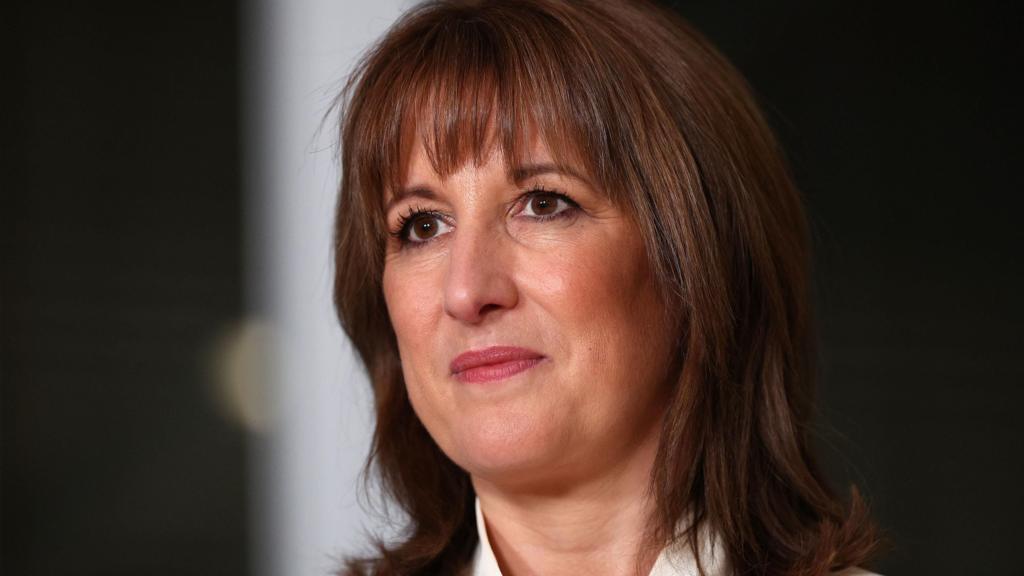
Chancellor Rachel Reeves has stated that she is “asking ordinary people to pay a little bit more” following the unveiling of £26bn in tax increases within a Budget that also included the abolishment of the two-child benefit cap.
The Chancellor extended a freeze on tax thresholds for an additional three years, a measure expected to result in millions more individuals paying higher taxes.
However, Reeves asserted that the most significant burden would be borne by those “with the broadest shoulders,” through increased taxes on property and savings, including a new levy on homes valued at over £2 million.
Reeves defended the package, which also incorporates measures aimed at addressing the cost of living, as “the right thing to do.” Conversely, the Conservatives have called for her resignation, alleging a broken promise not to raise taxes further.
In her second Budget address as Chancellor, Reeves emphasized that there would be no “reckless borrowing” nor a return to austerity under a Labour government.
Addressing MPs, she characterized the budget as one focused on “fair taxes, strong public services, and a stable economy.”
The cumulative effect of these measures amounts to £26bn in tax increases by 2029-30, which, according to the Office for Budget Responsibility (OBR), will elevate the UK’s tax revenue to a historic high of 38% of national income in 2030-31.
The OBR also projects that the UK economy will experience a slower rate of growth than previously anticipated starting next year.
Key tax increases include:
Instead of raising the main rate of income tax, Reeves opted to address a shortfall in spending plans through a series of smaller tax increases and the freezing of tax thresholds, a move she acknowledged last year would “hurt working people.”
The Office For Budget Responsibility (OBR) estimates that nearly one in four taxpayers will be subject to the higher rate of tax by 2031.
“I recognize that maintaining these thresholds will affect working people. I stated that last year, and I will not pretend otherwise now,” she told MPs.
“I am asking everyone to make a contribution. However, I can keep that contribution as low as possible by implementing further reforms to our tax system today to make it fairer.”
Reeves maintained that she had adhered to Labour’s election manifesto pledge not to increase VAT, income tax rates, or National Insurance.
Speaking to reporters following her statement, she said: “I do recognize that I am asking ordinary people to pay a little bit more, but I have managed to keep that contribution as low as I possibly can by closing loopholes and asking those with the broadest shoulders to pay more.”
Minutes before Reeves began her Budget speech, a disruption occurred when the government’s spending watchdog, the OBR, prematurely released key details of the budget.
Reeves, who was informed of the accidental leak by a colleague, described it as “deeply disappointing and a serious error on their part.”
The OBR attributed the leak to a “technical error” and announced an investigation into how the forecast document appeared on its website.
With Labour trailing in opinion polls and Sir Keir Starmer facing questions about his leadership, Reeves was under pressure to deliver a Budget that was well-received by Labour MPs and voters concerned about the cost of living, without unsettling the financial markets.
Labour MPs welcomed her decision to abolish the two-child benefit cap next April, which Reeves said would lift 450,000 children out of poverty.
Despite its name, the cap does not affect child benefit but pertains to tax credits and universal credit payments for families with a third or subsequent child born after 6 April 2017.
Reeves stated that the policy, implemented by the previous Conservative government, had “made almost no difference to the size of families” and had not reduced the welfare bill, “but it’s kids who have paid the price.”
She announced the removal of green levies added to electricity bills by the previous government, which she said would reduce household bills by £150.
Other measures designed to alleviate the cost of living include a freeze on prescription charges and select rail fares in England.
Reeves was also under pressure to decrease the cost of government debt and enhance the financial buffer against future economic shocks, known as headroom.
She informed MPs that debt would continue to decrease as a proportion of national income, and the amount of headroom will double to £21.7 billion, providing some relief from market pressure.
In her Budget response, Conservative leader Kemi Badenoch suggested Labour should rename itself “the Welfare Party,” adding: “All this budget delivers is higher taxes and out of control spending.”
Badenoch described the Budget as a “total humiliation” for Reeves, who should “resign.”
“Last year she put up taxes by £40bn, the biggest tax rate in British history,” she stated.
“She promised that she wouldn’t be back for more. She swore it was a one-off. She told everyone that from now on it would be stability, and she would pay for everything with growth.
“Today she has broken every single one of those promises.”
Liberal Democrat leader Sir Ed Davey remarked: “Labour was elected on a promise of tackling the cost of living crisis and growing the economy – and this is the second Budget where it’s failed to do either.
“For millions of people struggling with higher bills, all this budget really offers is higher taxes.”
Speaking at a news conference, Reform UK leader Nigel Farage stated: “I would very much sum up this Budget as an assault on aspiration and an assault on saving.”
He added: “Working people are going to be subsidising a welfare bill that shows no sign of going down whatsoever.”
The Green Party commented that the Budget “papers over the cracks” instead of taxing “extreme wealth fairly.”
“The chancellor spoke about asking everyone to make a contribution, but it is frankly inexcusable that she has made the political choice to squeeze households already struggling with the cost of essentials, whilst letting multimillionaires and billionaires off the hook,” said Green Party Treasury spokesman Adrian Ramsay.
The SNP asserted that the Budget “fails to deliver” for Scotland.
Shona Robison described the Budget as “a chaotic mess” that failed to support Scottish jobs, and the announced funding uplift of £820m would “not even cover half the cost of the employers’ national insurance contributions brought in this year.”
Government borrowing costs decreased and the pound strengthened following an initial sell-off triggered by the early release of the OBR forecasts.
However, the Institute for Fiscal Studies think tank stated that the increase in “headroom” in the Budget forecasts relied on tax increases just before the next general election, which it said should be “treated with a healthy dose of scepticism.”
Sign up for our Politics Essential newsletter to stay informed on the inner workings of Westminster and beyond.
Assessing the reactions of businesses, families, pensioners, and politicians to Rachel Reeves’ Budget announcements.
Key changes to tax, pensions, and welfare: A comprehensive overview of Rachel Reeves’ second Budget.
Stormont’s Finance Minister John O’Dowd indicates the funding leaves Stormont with just an extra £18.8m this financial year.
Some pension savers may see a reduction in the amount they can contribute to their pension without incurring national insurance.
A mother-of-four shares her concerns regarding household finances with BBC News NI, highlighting the challenges posed by rising costs.
“`