

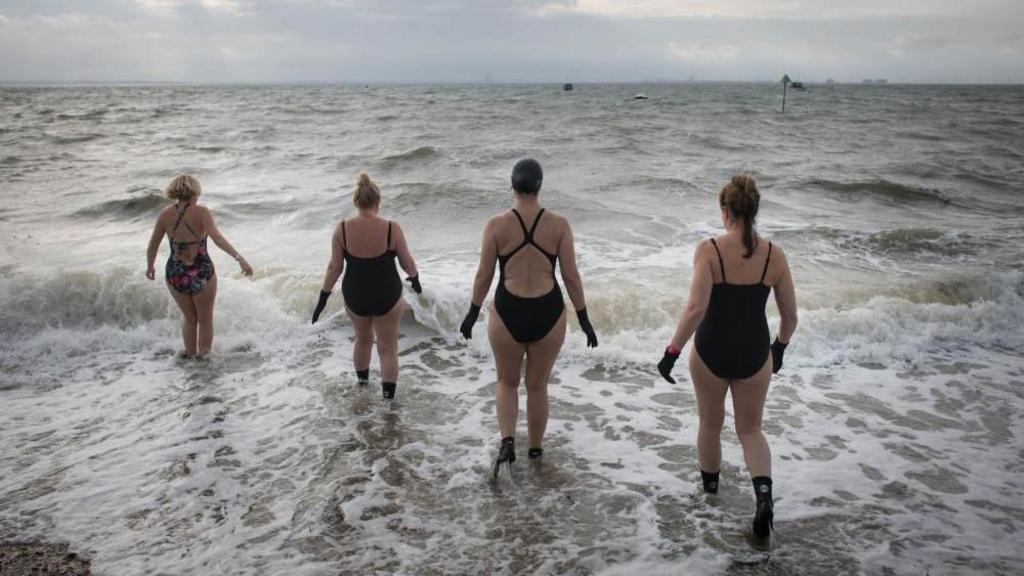
New data from the Environment Agency (EA) reveals a slight increase in the number of monitored bathing sites in England meeting minimum water quality standards, compared to last year.
This summer, 93% of the 449 sites regularly tested met the minimum standards for bacteria levels in the water, which are often linked to sewage spills, agricultural runoff, and other factors. This represents an improvement from 92% in 2024.
Overall, 32 sites were rated “poor,” a decrease from 37 in 2024, which marked the worst year since the current measurement system was implemented in 2015.
While the government has stated that forthcoming reforms to bathing water regulations will drive further improvements, campaigners argue that swimming in England’s rivers still poses unacceptable health risks.
Water Minister Emma Hardy commented: “These changes sit alongside our wider action to clean up our waterways so communities across the country can enjoy the places they care about most.”
A spokesperson for Water UK, an industry body, asserted that bathing water quality in England remains high and that water companies are implementing plans to reduce sewage overflows.
The Environment Agency conducts monitoring of bacteria levels at bathing water sites across England’s rivers, lakes, and coastal areas between May and September each year, collecting thousands of samples.
Bacterial levels are influenced by pollution from various sources, including sewage discharges and agricultural activities, and are also susceptible to weather conditions.
The summer of 2025 experienced particularly dry conditions, which, all else being equal, would typically lead to reduced pollution due to less rainfall runoff.
The latest data encompasses a four-year period from 2022 to 2025, where measurements were available.
The figures indicate an increase in the percentage of sites achieving the highest rating of “excellent,” rising to 66% from 64% last year.
The proportion of sites rated “poor” – failing to meet minimum standards – decreased from 8% to 7%. However, this still represents the second-highest figure recorded over the past decade.
Alan Lovell, chair of the EA, stated: “Bathing water quality in England has improved significantly over recent decades, and this year’s results show the continued impact of strong regulation, investment and partnership working.”
“But we know there is more to do, and the new bathing water reforms will strengthen the way these much-loved places are managed,” he added.
The expansion of monitored bathing sites in recent years effectively mandates that more locations meet stringent standards, facilitating safer swimming conditions for the public.
Bathing sites located in rivers generally exhibited poorer performance compared to their coastal counterparts, where the majority of bathing sites are situated.
Of the 14 river sites assessed, only two met the minimum standards. It is worth noting that many of these rivers were newly added to the monitoring program in 2024, which can introduce complexities when comparing data across time.
The EA attributes the lower water quality in rivers, in part, to the natural disinfectant properties of saltwater and the sea’s greater capacity to dilute pollutants. Rivers are also often located closer to pollution sources.
James Wallace, chief executive of River Action UK, described the results for England’s river bathing water sites as “deeply concerning.”
“Despite being our most protected river sites, the government’s own data shows that swimming in our inland bathing waters carries significant health risks, underlining the failure of regulators to hold polluters to account,” he stated.
The latest data follows the EA’s recent assignment of its lowest-ever combined marks to England’s water companies for their environmental performance in 2024, amidst a surge in serious pollution instances.
Furthermore, in July, a comprehensive review of the “failing” water sector in England and Wales advocated for stronger regulatory measures to ensure accountability among water companies.
However, the review cautioned that there are no immediate solutions to enhance the condition of rivers or reduce consumer bills.
In response to today’s figures, a spokesperson for Water UK stated: “These results show that the quality of English bathing water remains high with 87% achieving a ‘good’ or ‘excellent’ rating.”
“This is a stark contrast to the 1990s when less than a third of bathing waters would have met today’s standards.”
Sign up for our Future Earth newsletter to keep up with the latest climate and environment stories with the BBC’s Justin Rowlatt. Outside the UK? Sign up to our international newsletter here.
The sea water rating at Deal has gone from poor to good, according to latest government figures.
People living close to a business park say are worried about any health implications.
The Environment Agency releases its latest results on bathing water quality.
The Environment Agency tested the water at 17 beaches in East Yorkshire and Lincolnshire.
Some Dunchurch residents are opposing expansion proposals for the site.